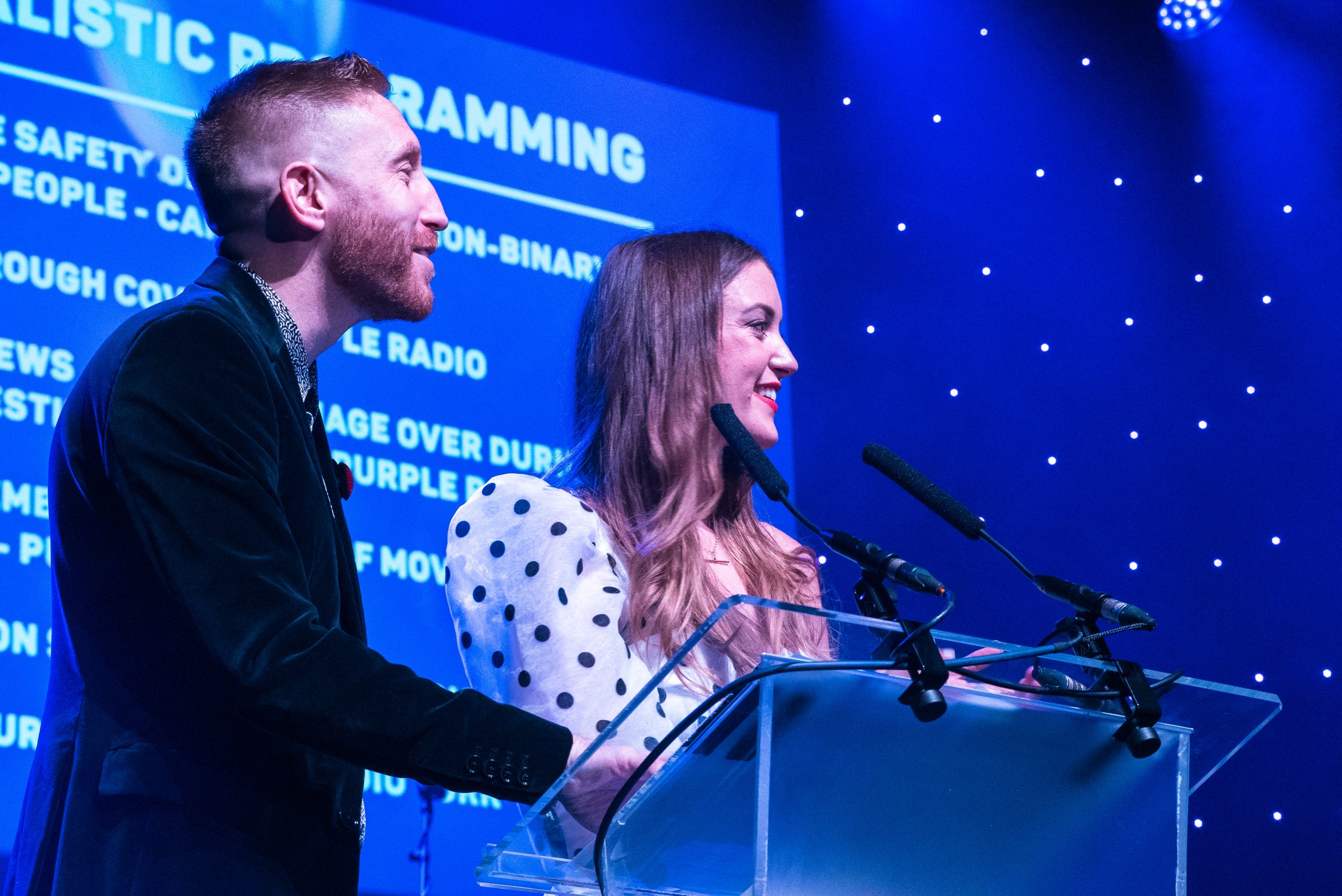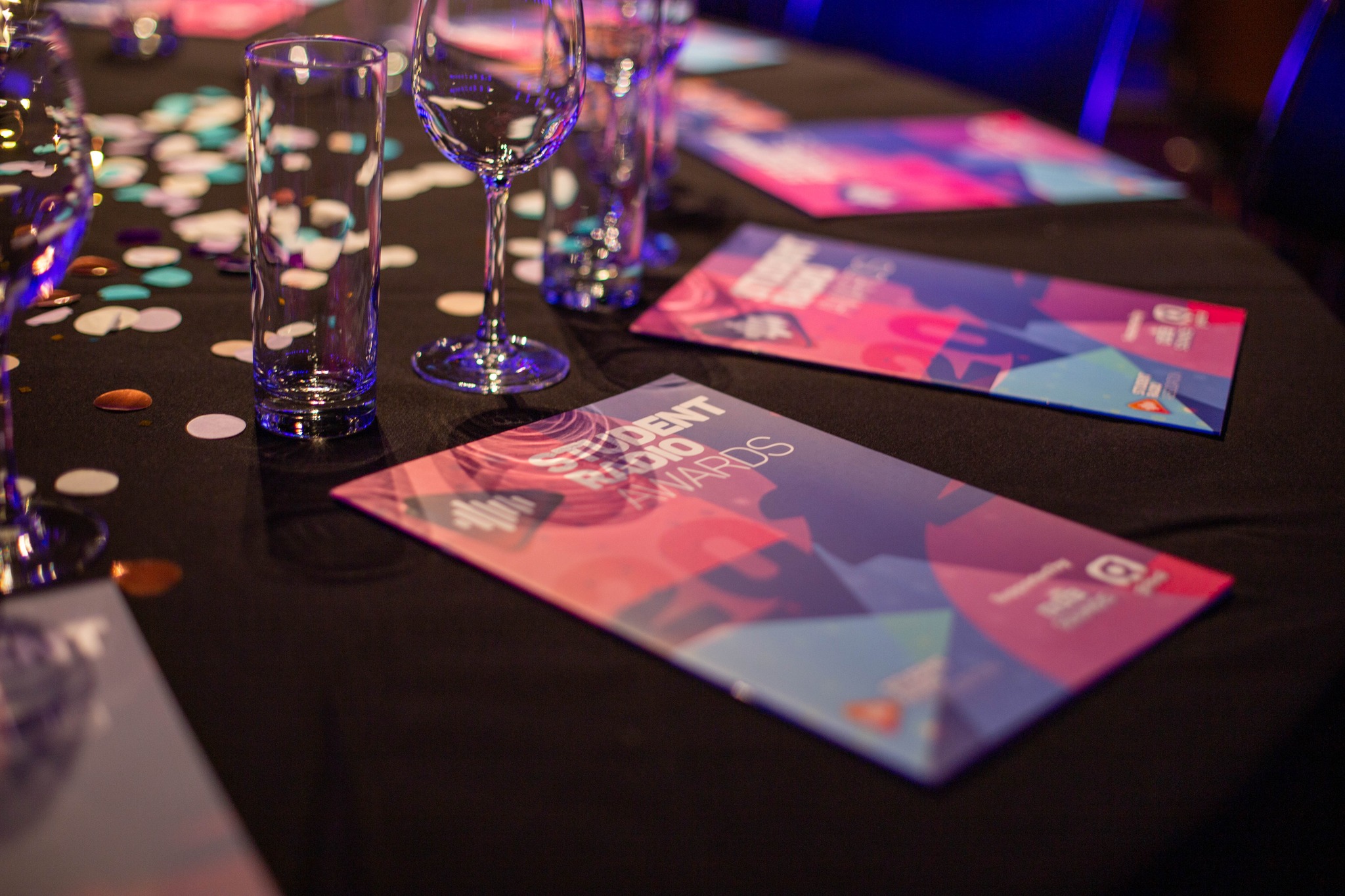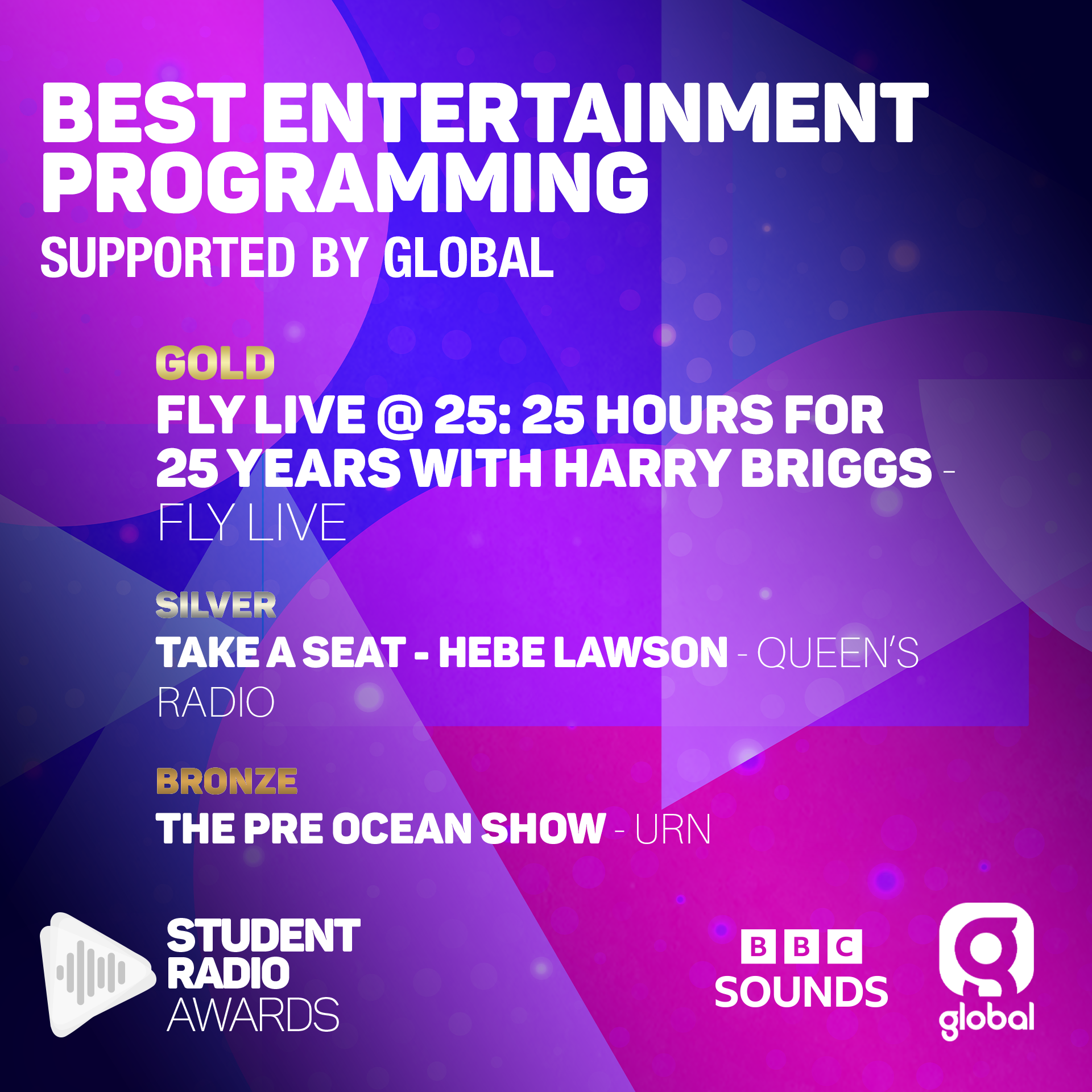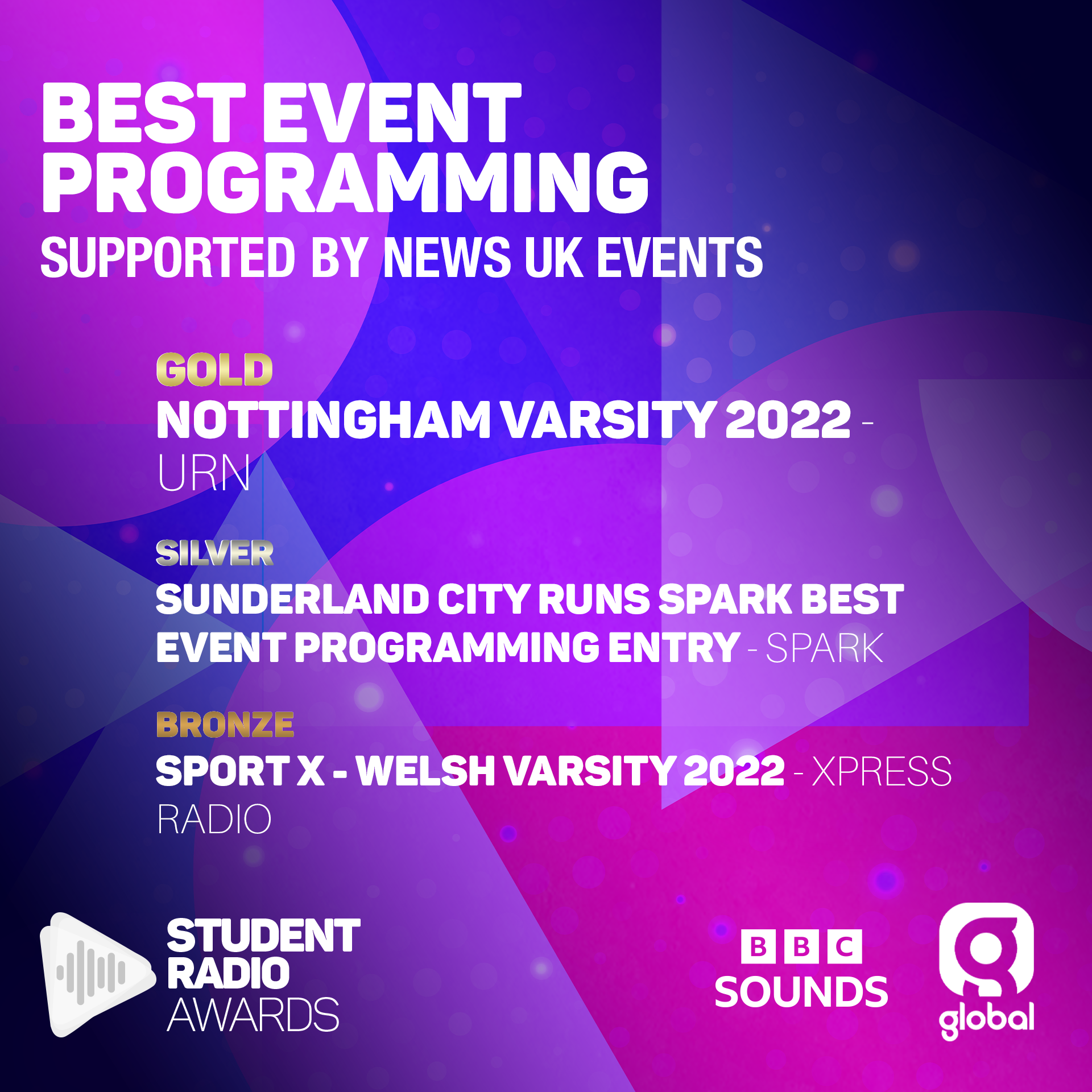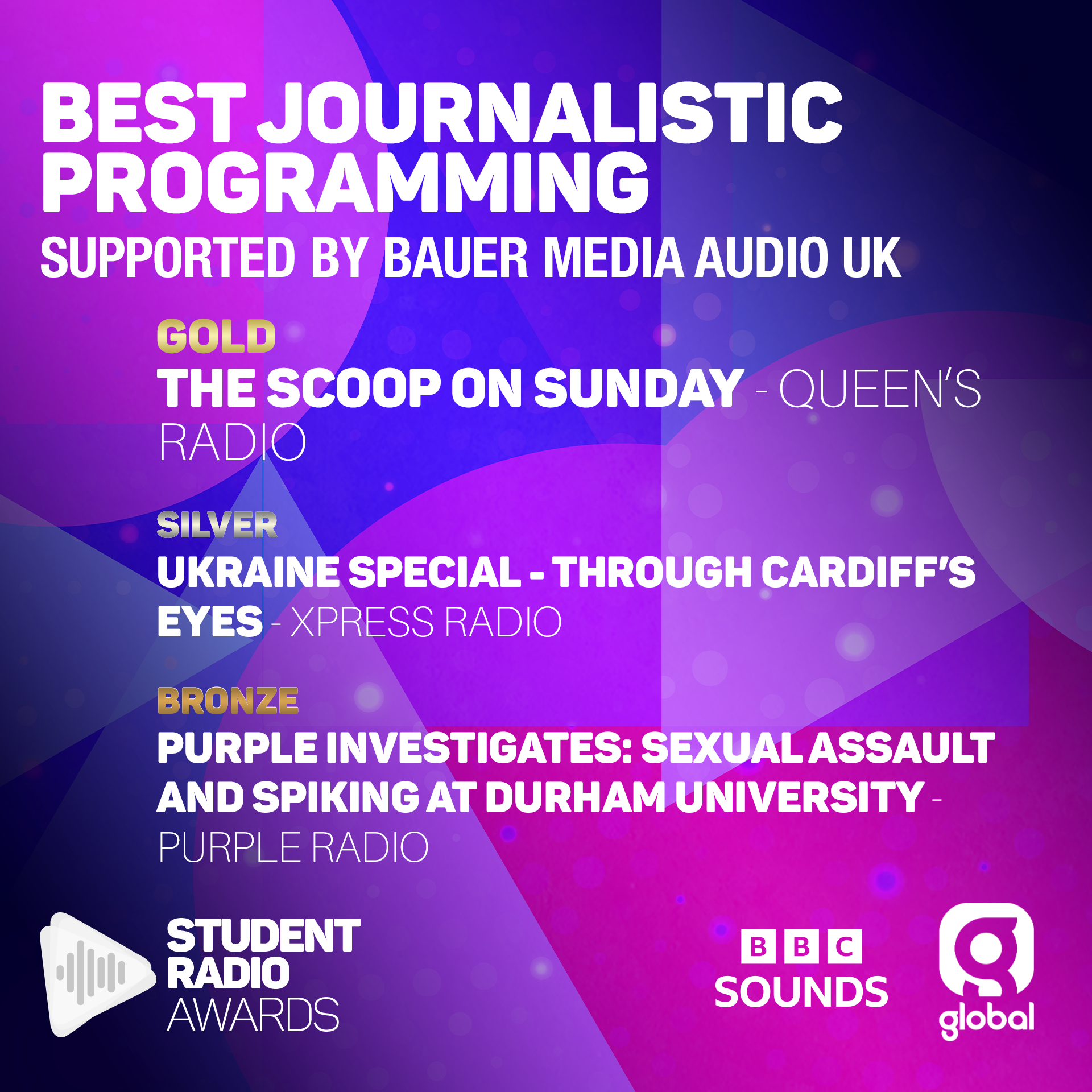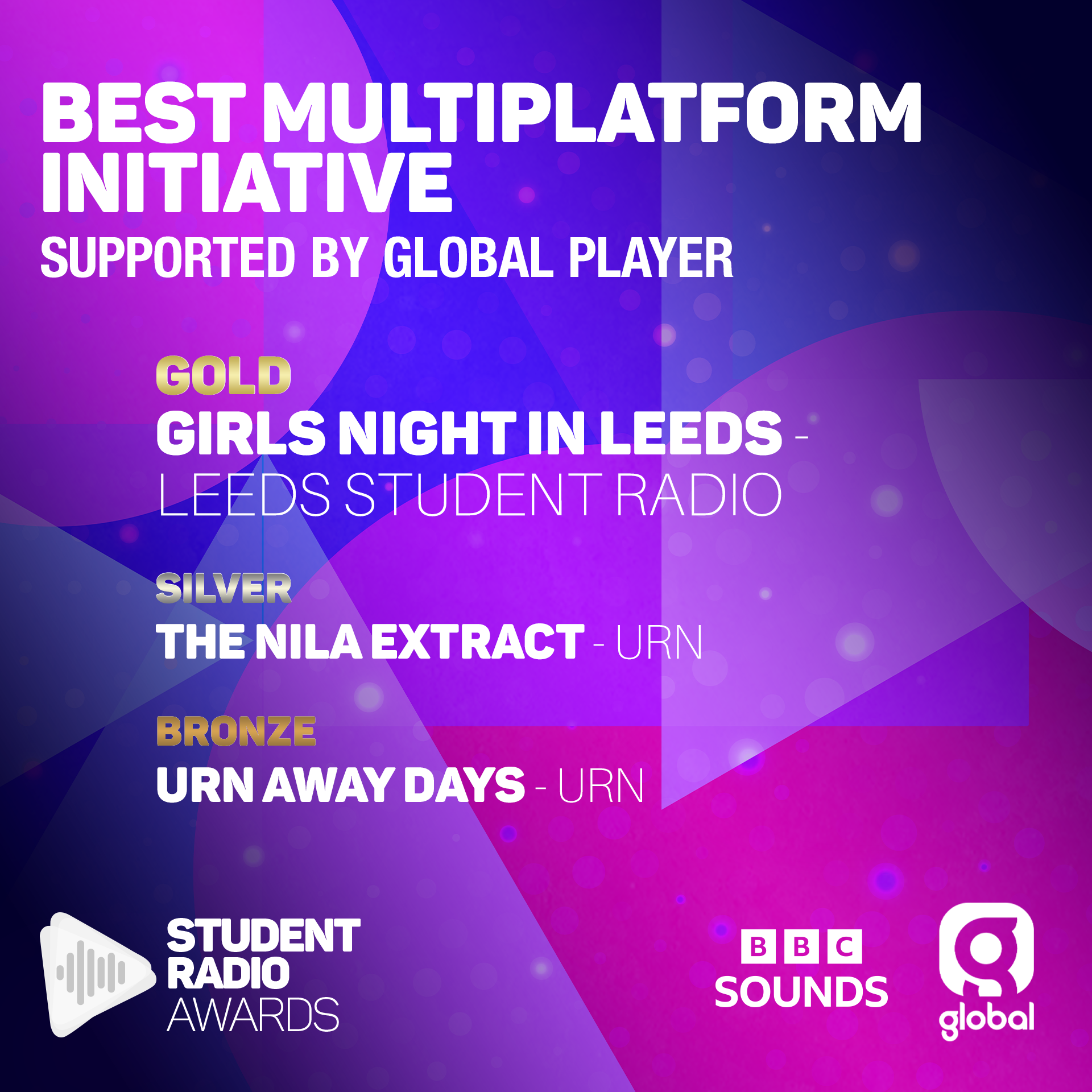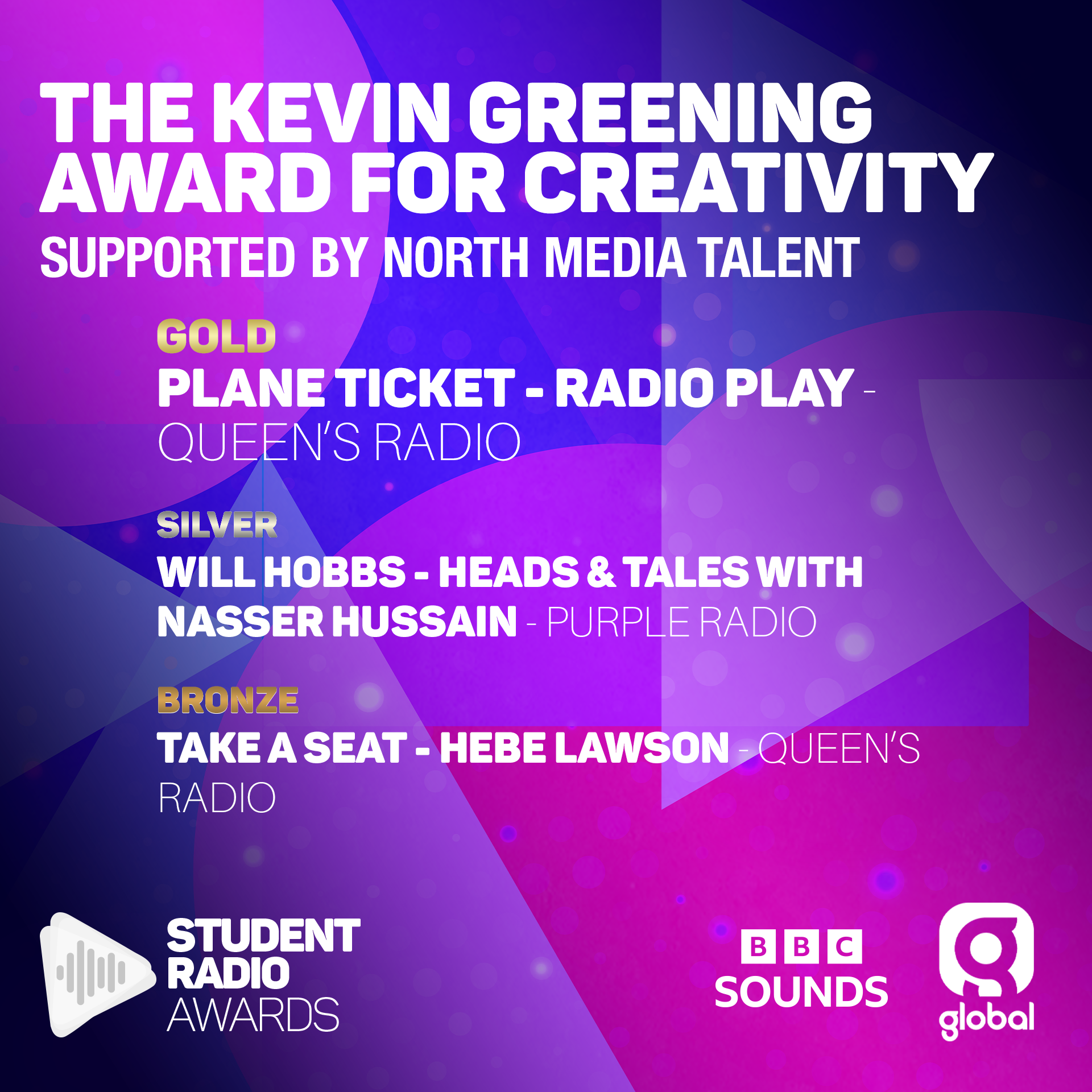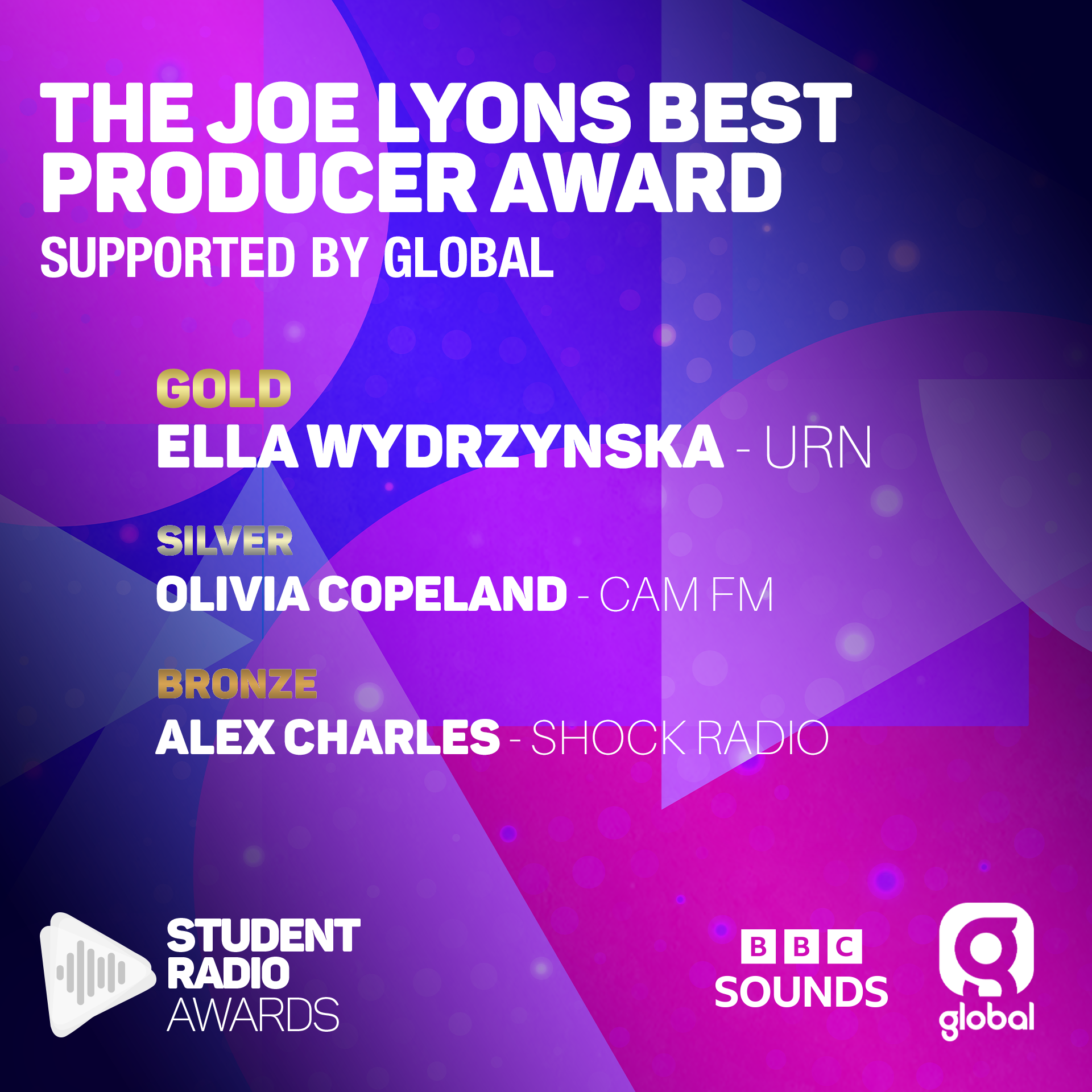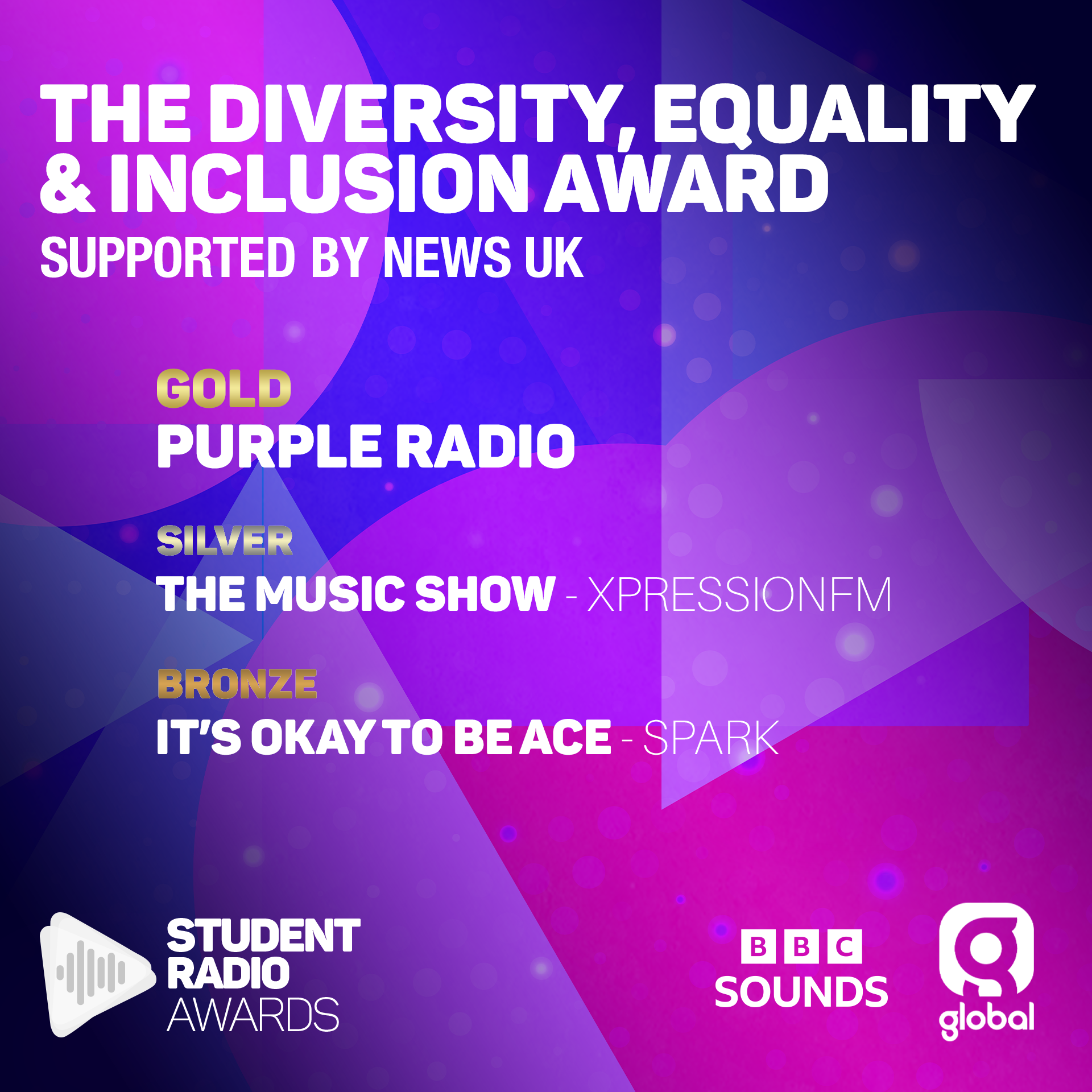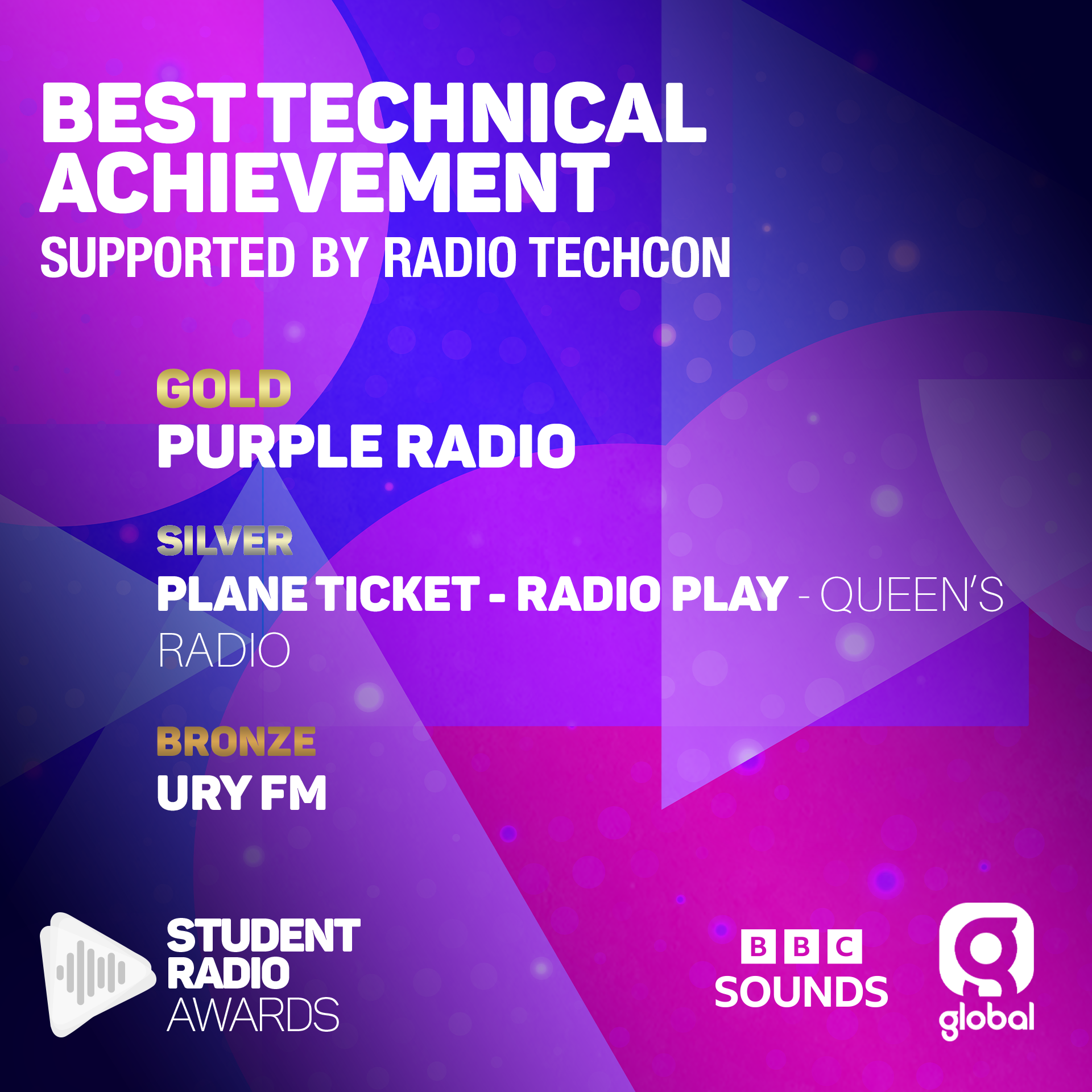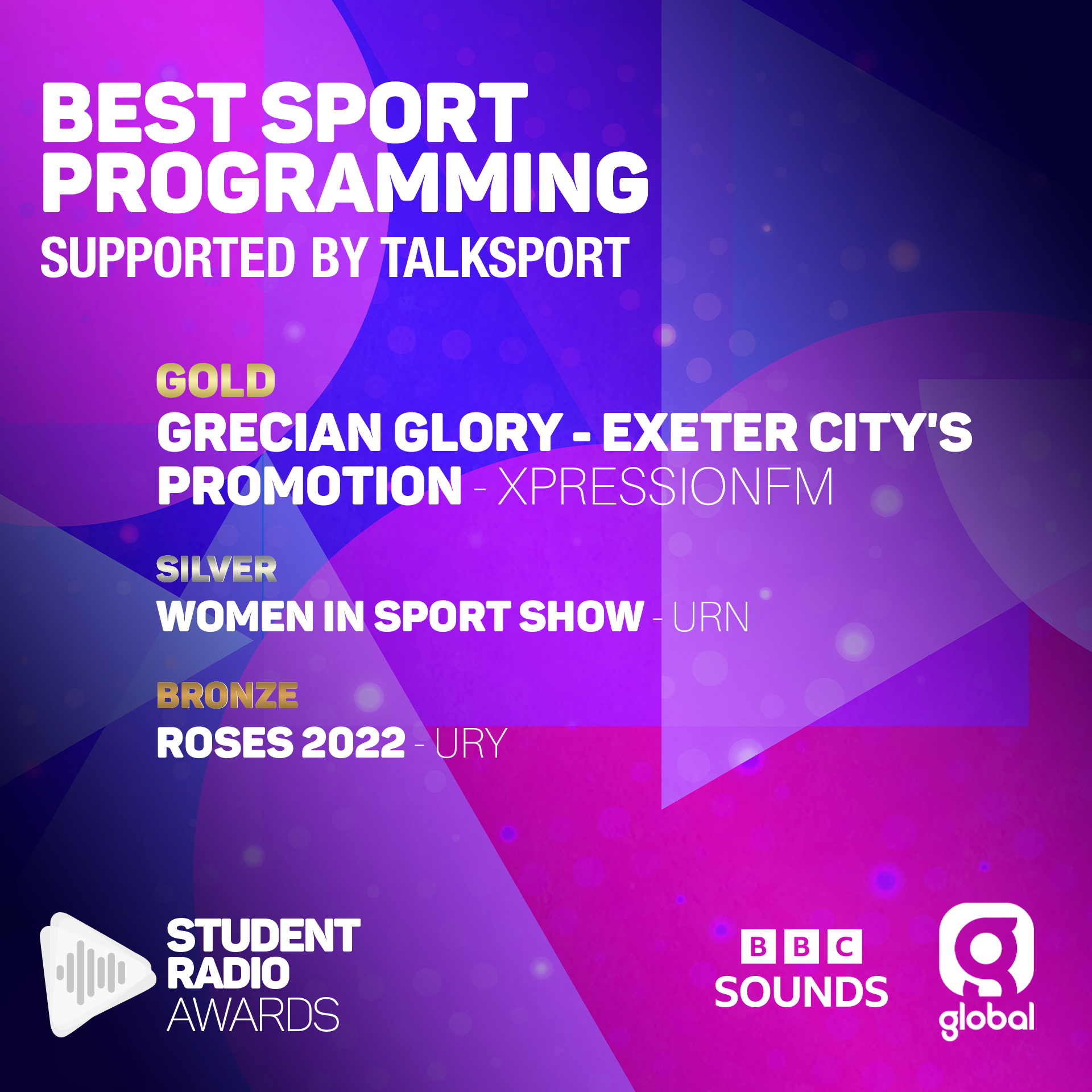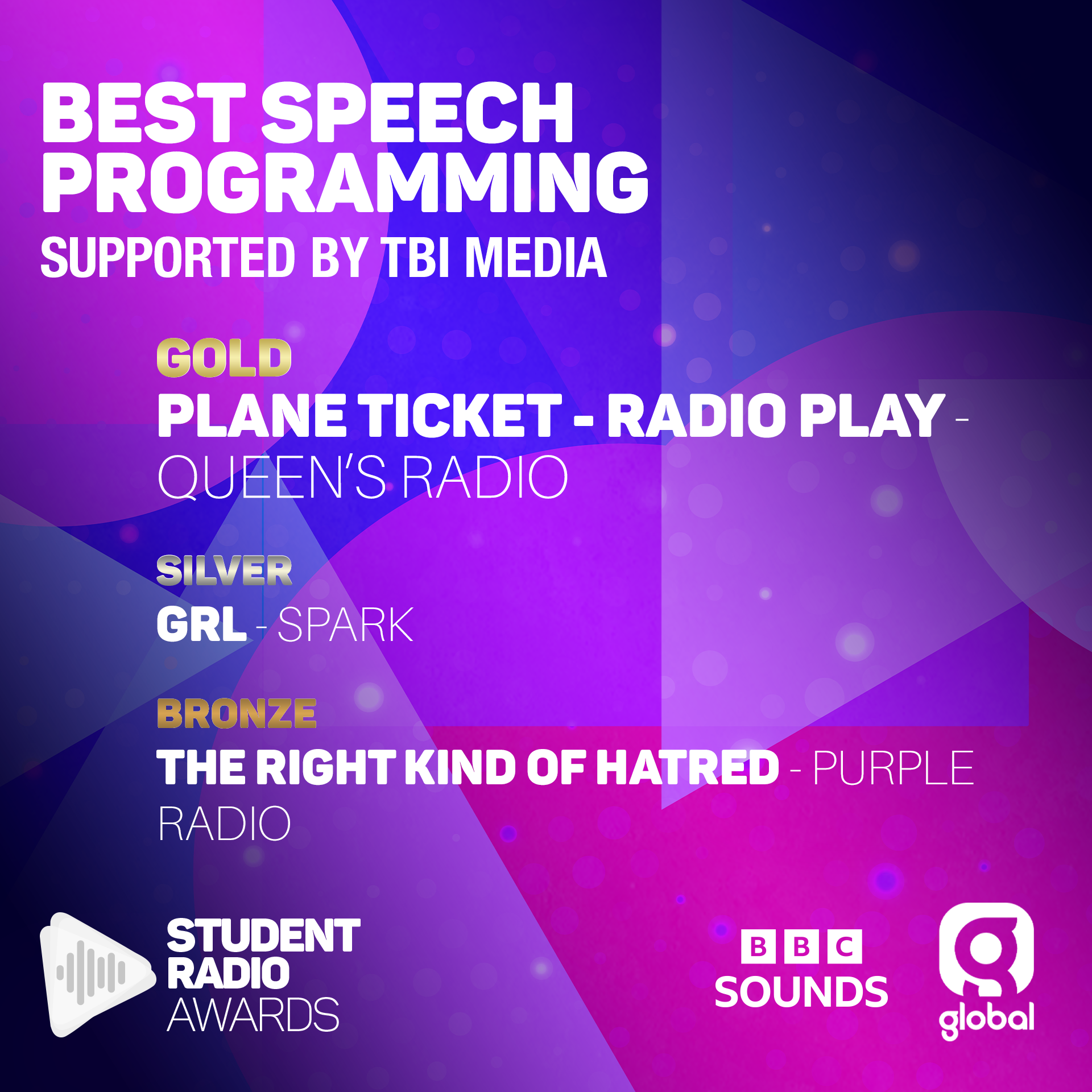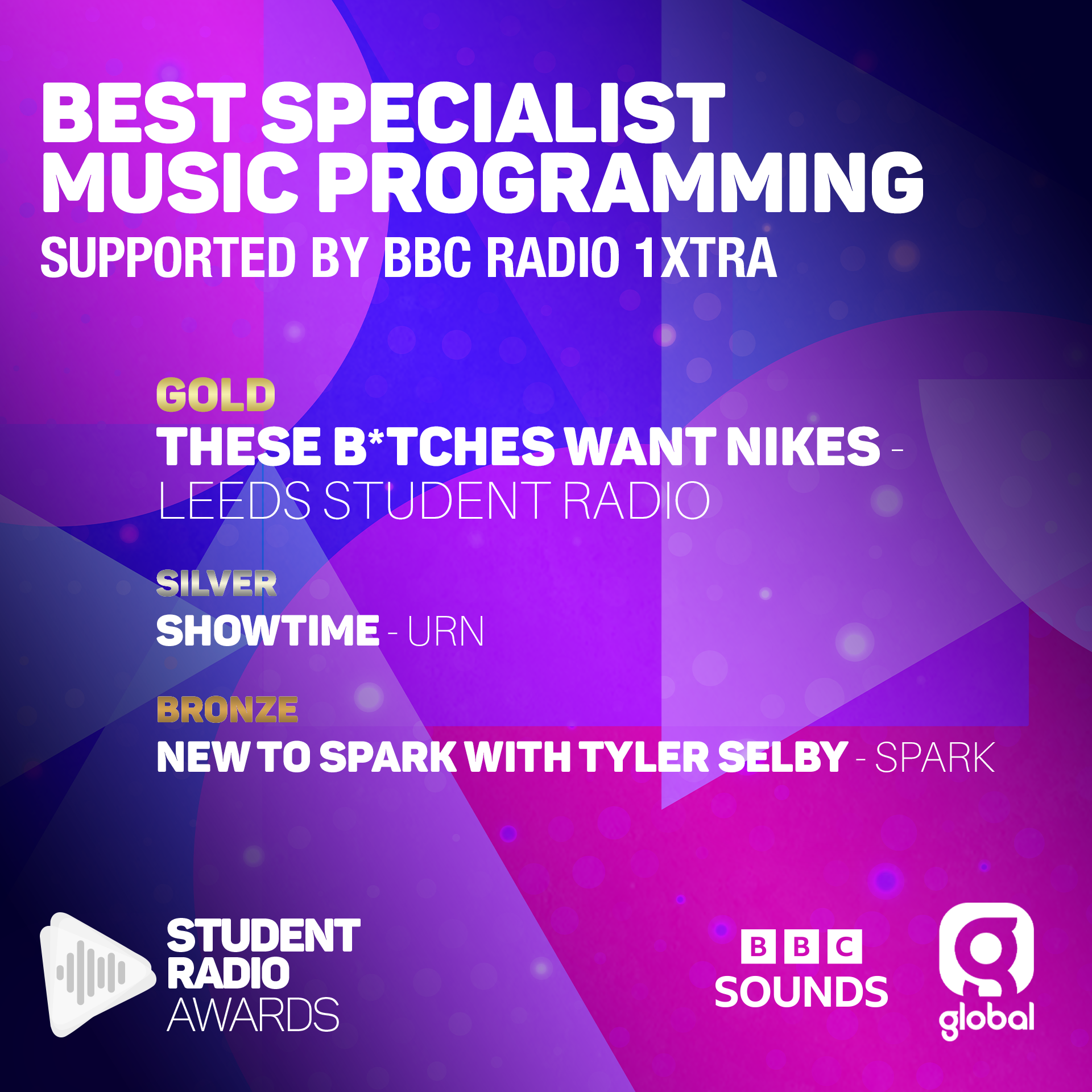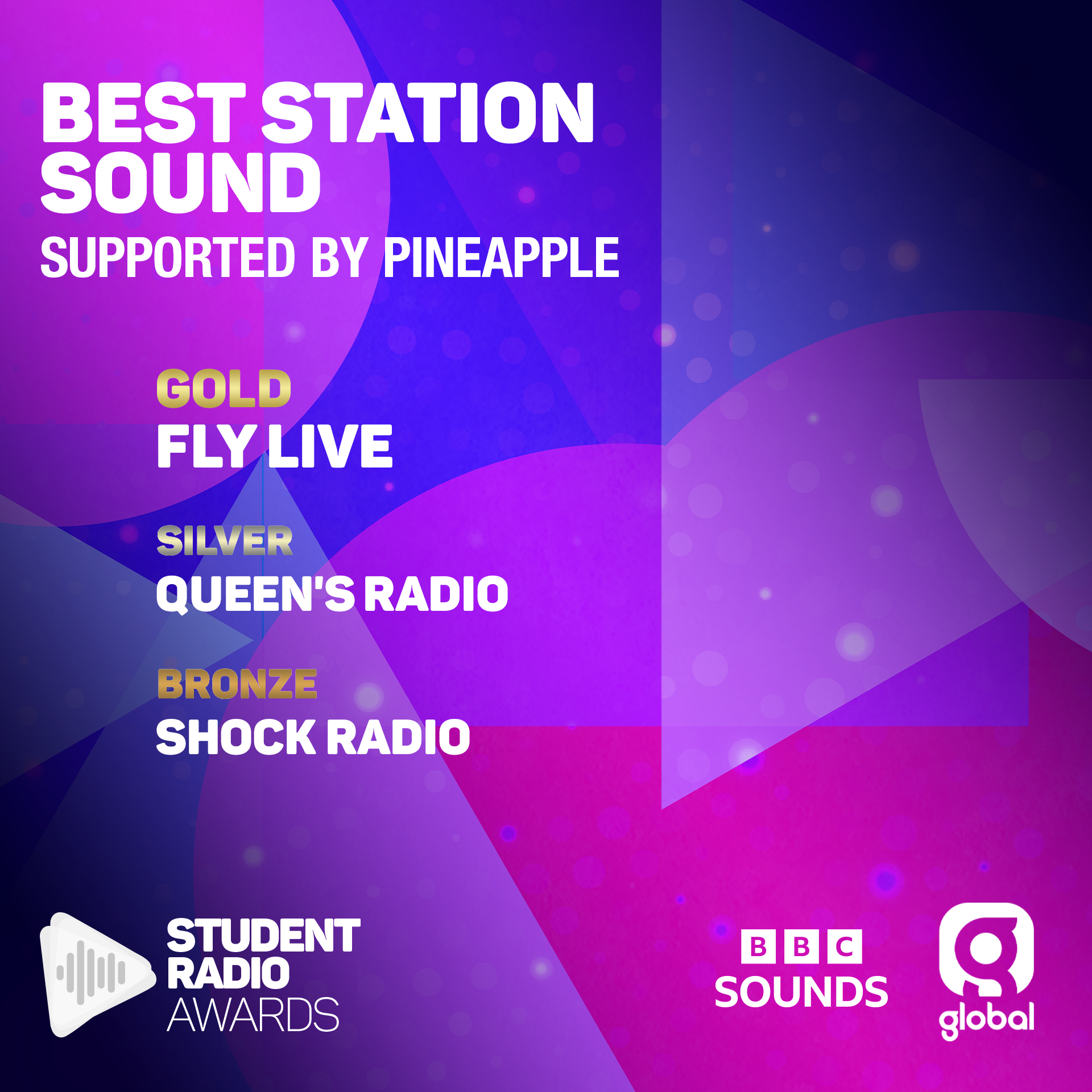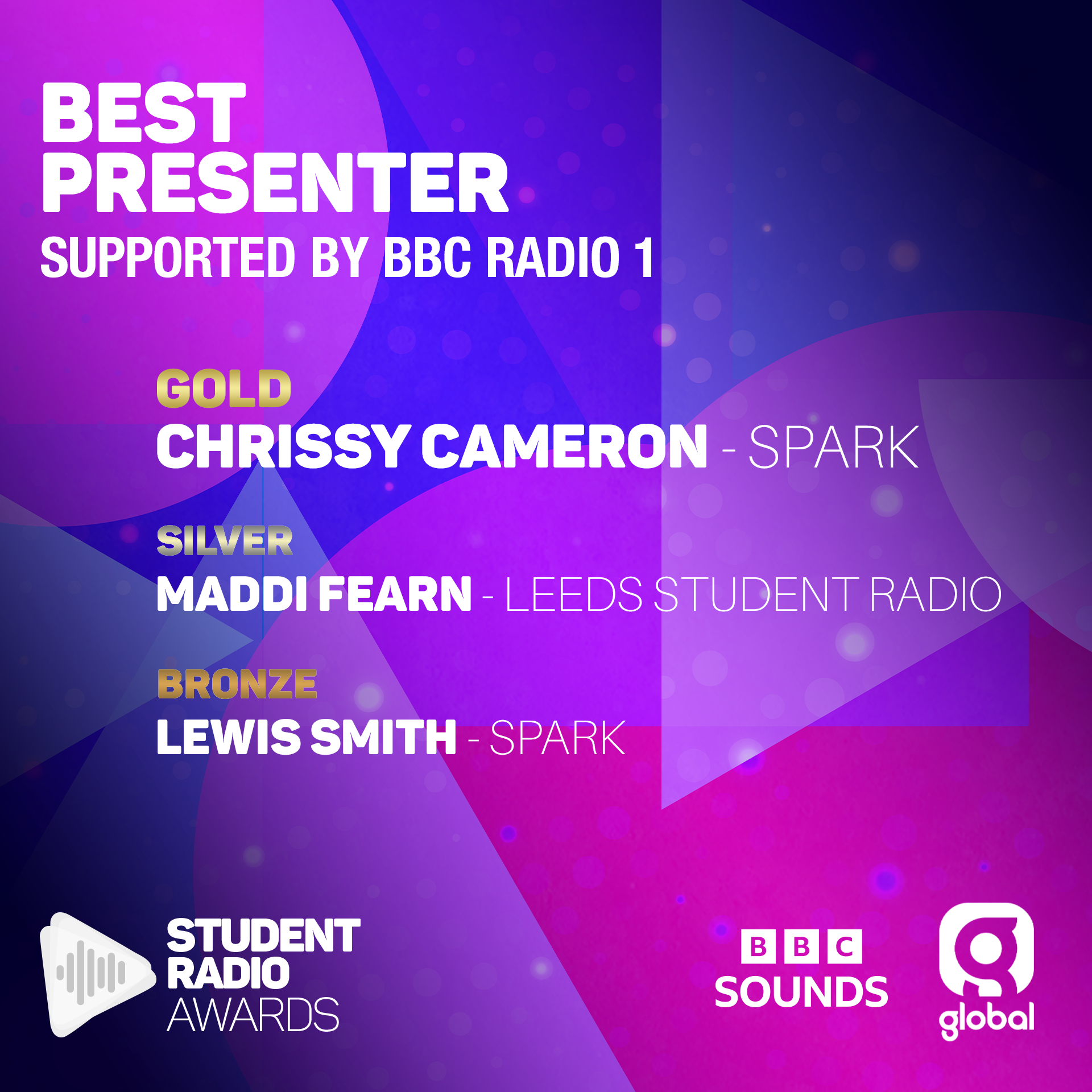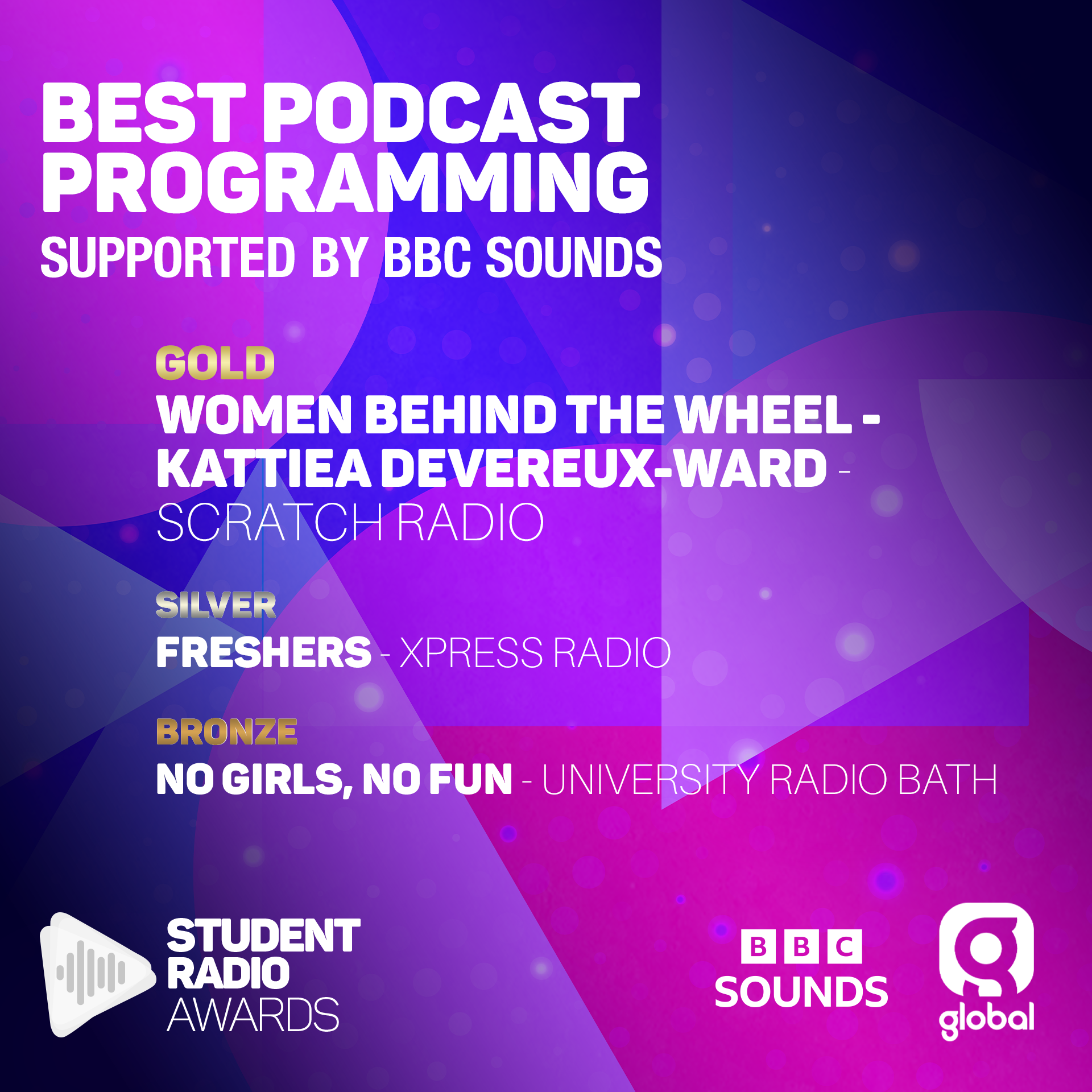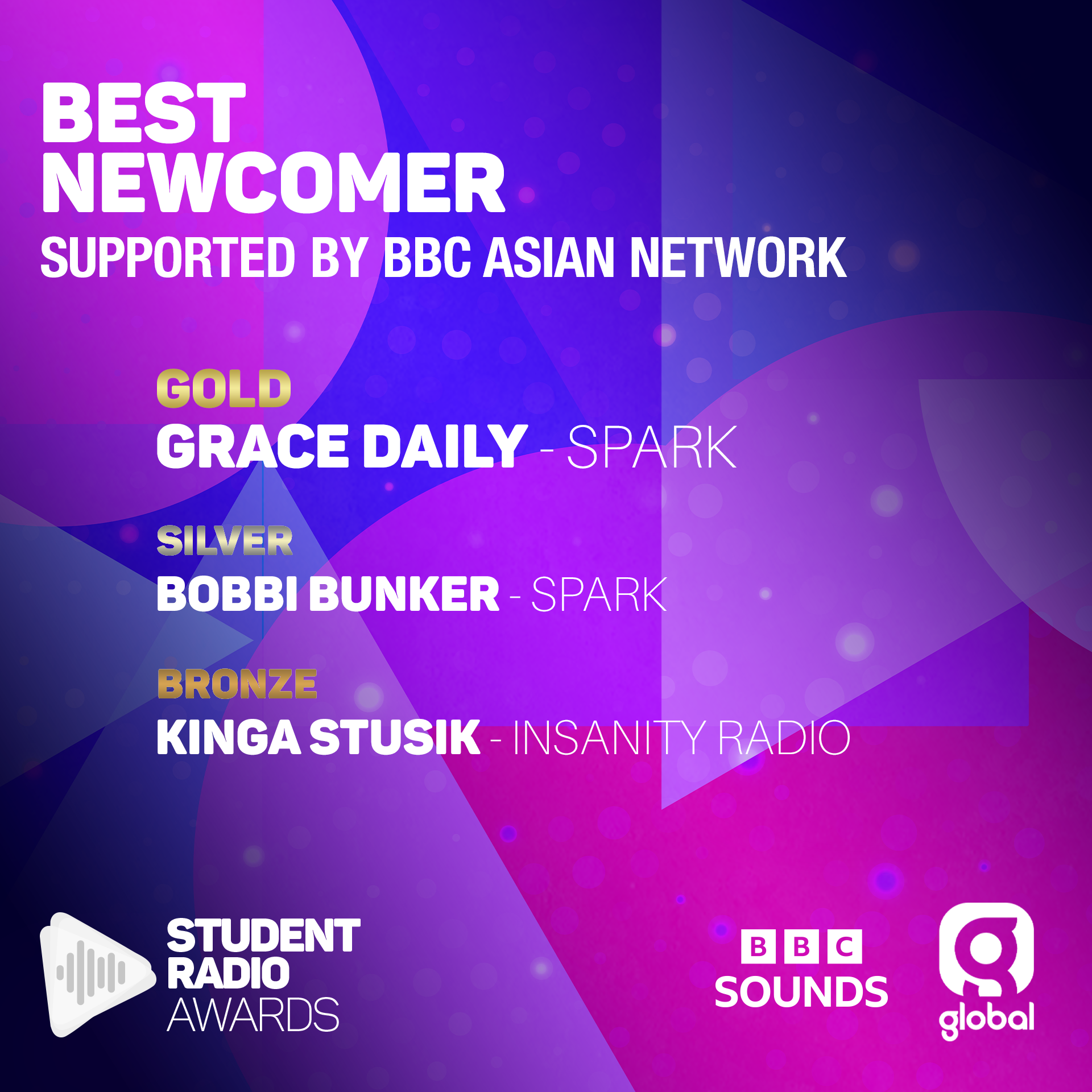

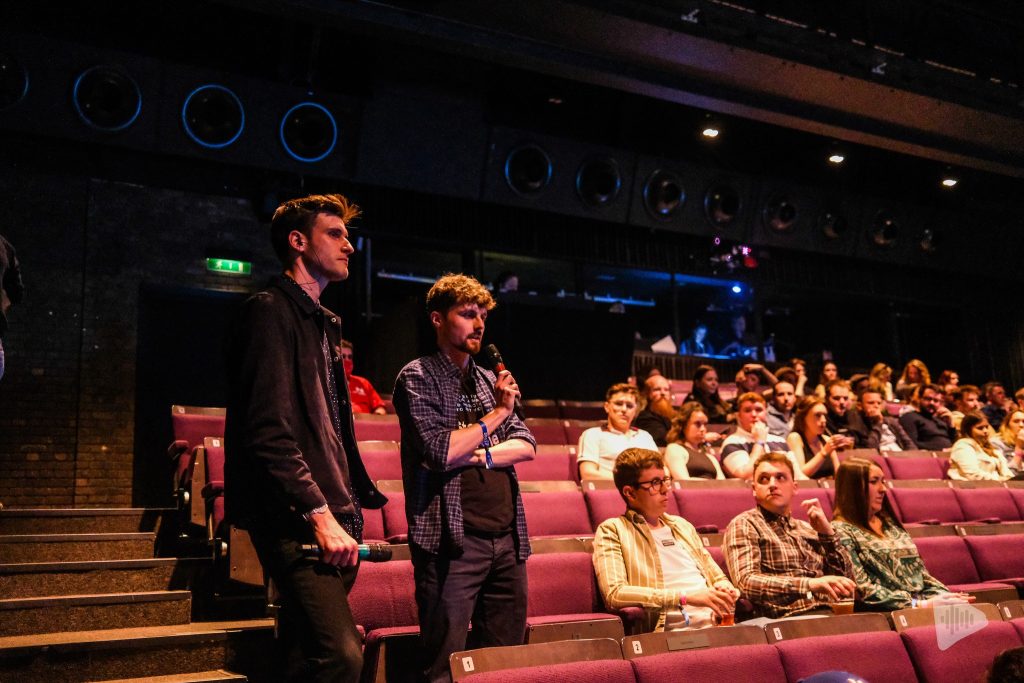
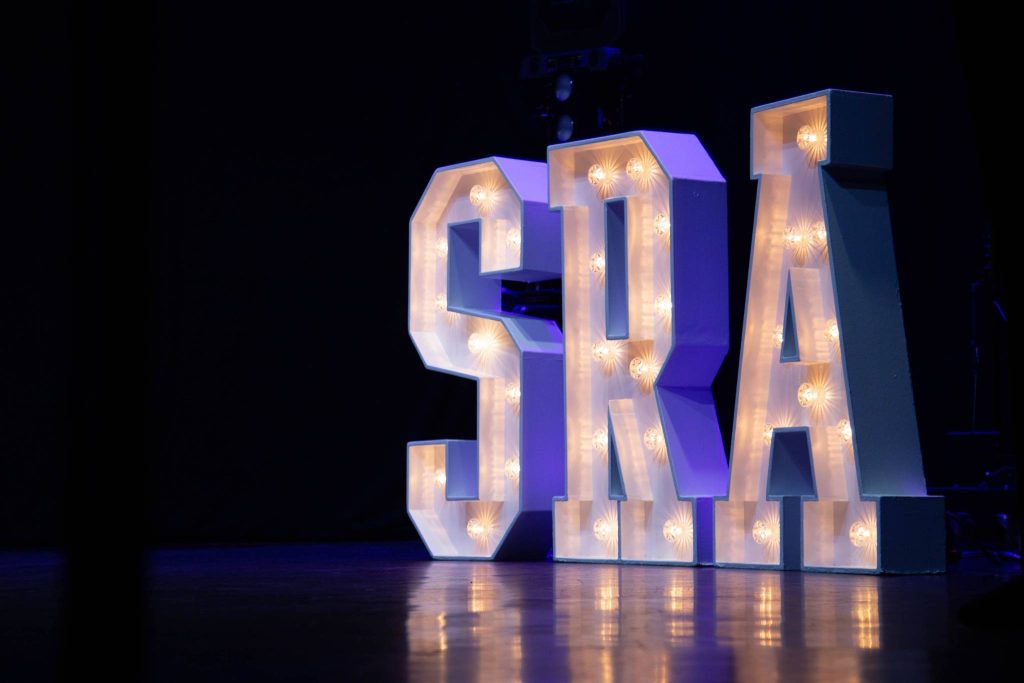
The Student Radio Awards, held annually since 1995, celebrate and recognise the achievement and talent in the student radio and audio community.
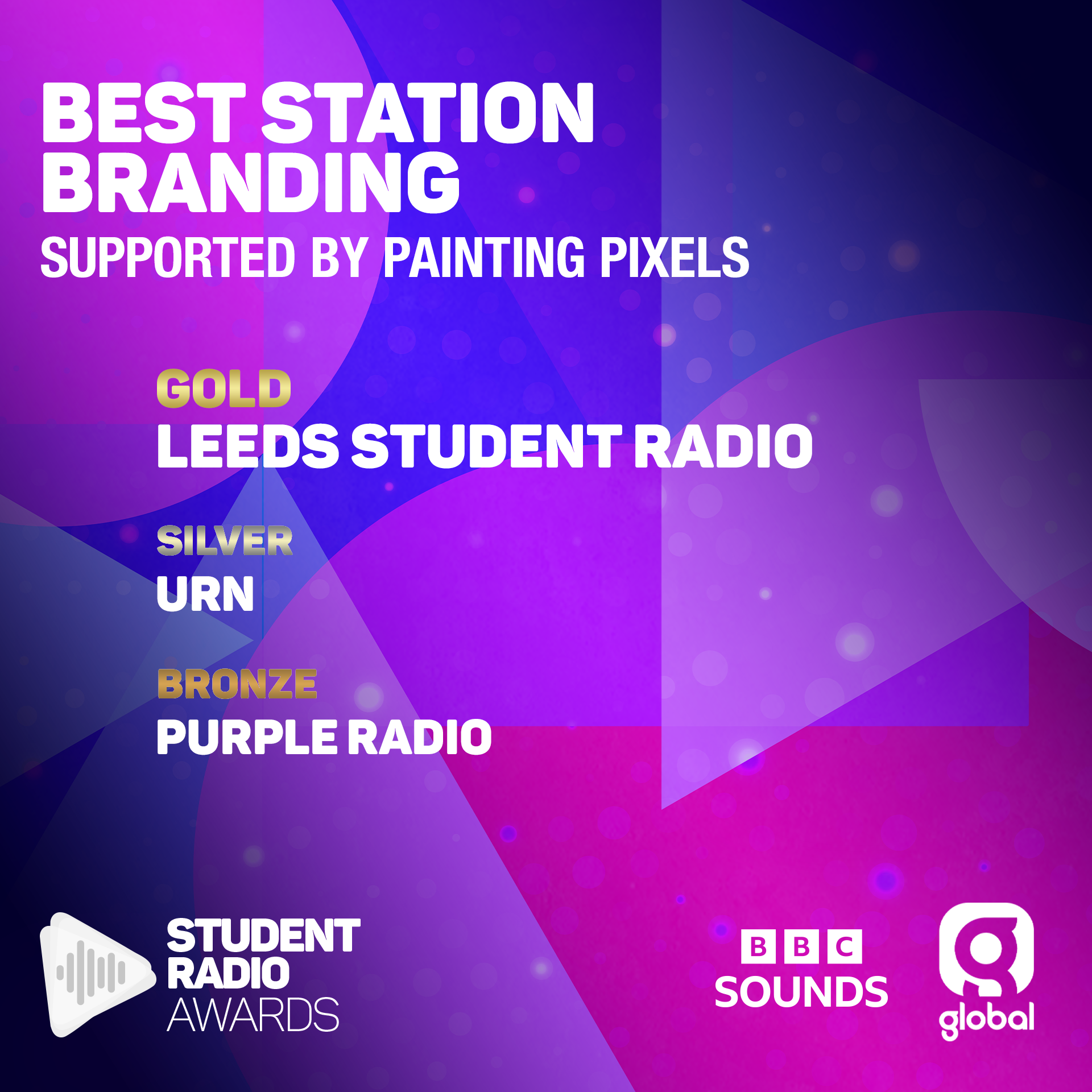
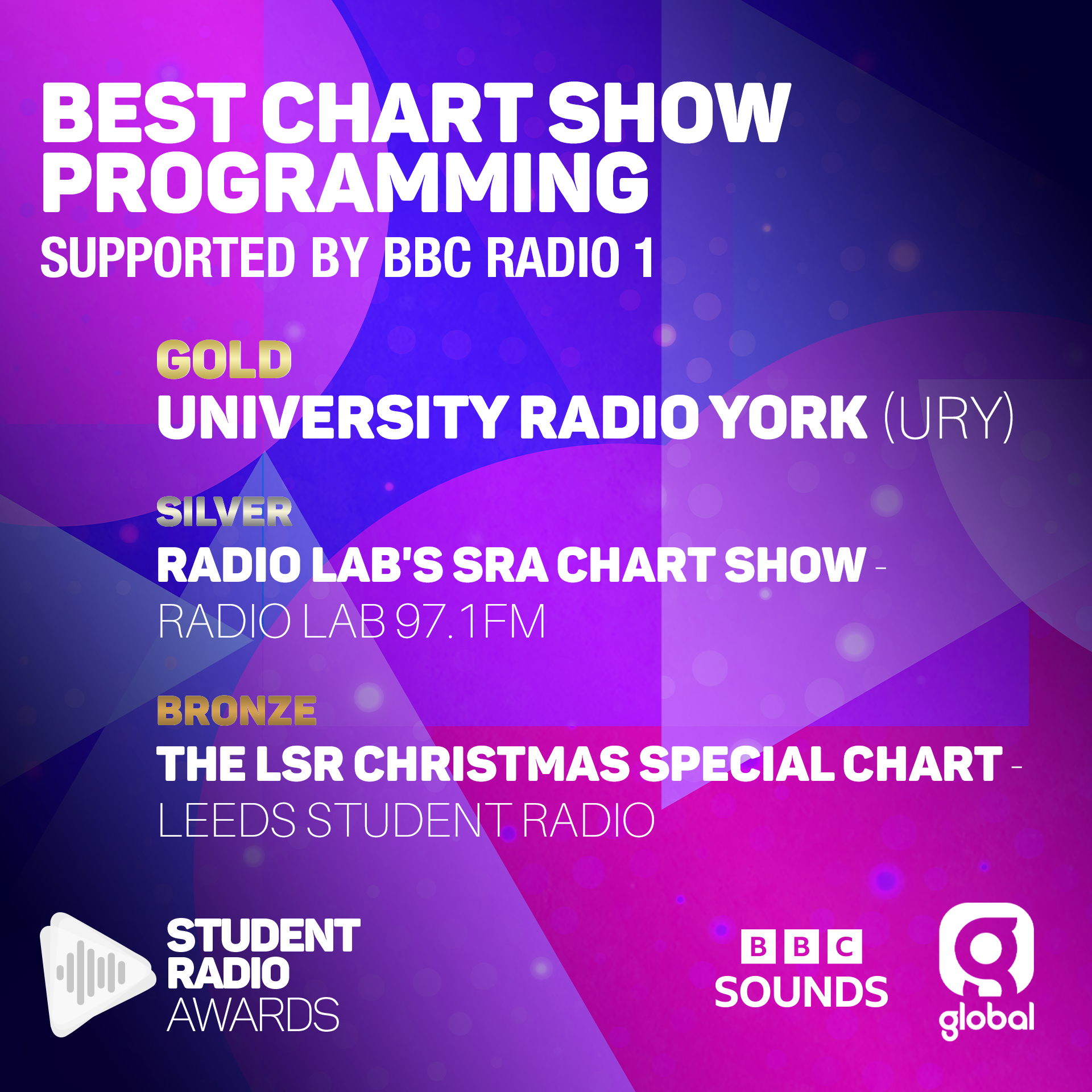
Judged by nearly two-hundred industry-appointed judges, hundreds of student entries, spanning over a dozen categories, are whittled down to bronze, silver and gold winners.
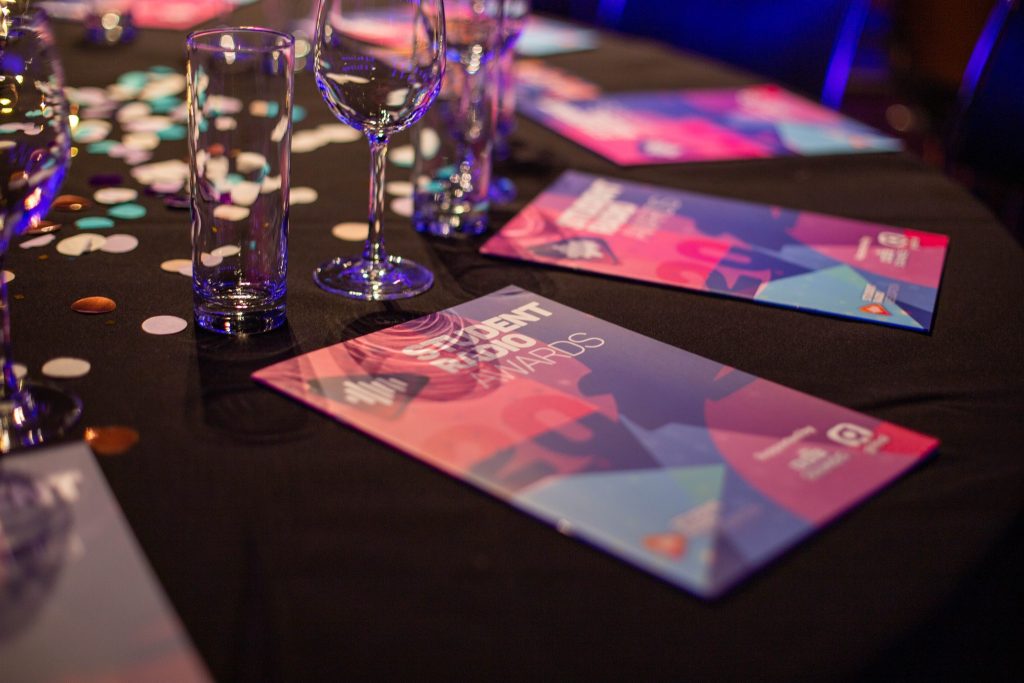
The ceremony, hosted in the prestigious indigo at the O2 arena in London, is attended by over 200 students and 200 industry guests including the biggest names in broadcast talent and senior management from public, commercial and independent networks, agencies, and companies around the UK.
A glamorous evening of drink and performance, the event has grown to rival even the biggest awards in the media world, and has developed into one of the key events in the professional radio calendar.
Headline sponsors, BBC Sounds and Global, are long-time supporters of the SRA and the Awards. Over the years student radio has launched the careers of Rich Clarke and Greg James to name but a few. The Awards serve both to celebrate the diversity of content and talent in student radio and to help launch the next generation of radio talent into the industry.
To allow students and young professionals an equal opportunity to attend, admission prices are kept lower than cost, and the SRA finances the event through generous sponsorship and promotion. The ceremony, along with the publicity and associated events, such as regional nomination parties around the country a month before, offers a great platform for brands to reach a wide demographic stretching from first-year university students to on-air talent.
The Awards process takes place every year through the summer months. Over five hundred entries across a variety of categories are judged by over one hundred industry professionals to produce a shortlist of six nominees in each category. These nominees are whittled down to a Bronze, Silver and Gold award winner by some of the biggest names in radio.
The 2023 Awards is taking place on the 14th November 2023.